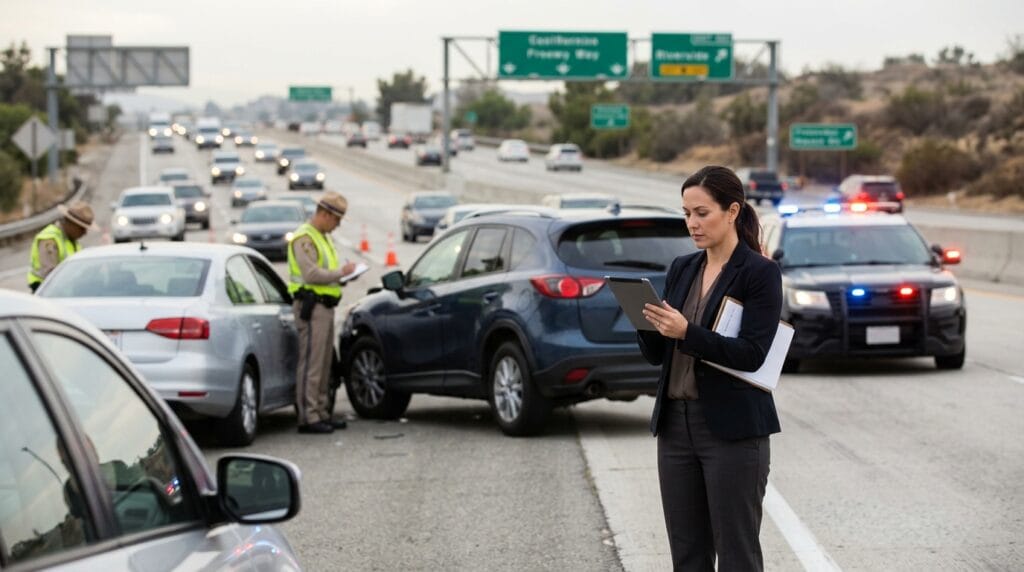
A Riverside freeway accident claim 2026 case can become complicated fast when several vehicles crash in the same traffic slowdown. One driver may hit the brakes. Another driver may follow too closely. A third vehicle may strike from behind. Within seconds, a normal commute on the 91, 60, 215, or 15 can turn into a serious multi-vehicle collision.
Chain-reaction crashes often create confusion. Drivers may blame the vehicle in front. Insurance companies may point to the vehicle behind. Witnesses may remember different parts of the crash. Police may still need time to identify the first unsafe act. That delay can make the claim stressful for injured drivers and passengers.
These claims matter even more in Riverside because many local roads carry heavy commuter, freight, and family traffic. A crash can involve workers heading home, parents driving children, delivery vehicles, rideshare drivers, trucks, and out-of-town motorists. The legal issue is not always simple. The injured person needs proof of what happened, who caused it, and how the crash affected their health and finances.
This guide explains how fault, speed, digital evidence, medical bills, and insurance coverage may affect a Riverside freeway accident claim 2026 case after a chain-reaction crash.
Why Riverside Freeway Chain-Reaction Crashes Are Hard To Prove
A freeway crash may look simple at first. One car has front-end damage. Another car has rear-end damage. Someone says traffic stopped suddenly. Another person says the driver behind them failed to brake. That basic story may not show the full truth.
In a chain-reaction crash, the timing matters. The first impact may not be the only cause of injury. A second or third impact can make the damage worse. A vehicle may get pushed into another lane. A passenger may suffer injuries from more than one collision force.
That is why a Riverside freeway accident claim 2026 investigation should focus on the whole sequence. It should not stop at the first driver who seems careless. A strong claim looks at speed, braking, following distance, lane position, visibility, traffic conditions, phone use, vehicle data, and witness statements.
Speed is especially important. The California Highway Patrol has warned that speeding reduces reaction time and increases crash severity. CHP also reported that unsafe speeds caused more than 110,000 crashes statewide in 2025, with more than 400 deaths and over 68,000 injuries. For official background, visit the California Highway Patrol speed enforcement update.
The First Impact Does Not Always Tell The Whole Story
Insurance adjusters often want a clean answer. They want to know which driver started the crash. That question matters, but it may not answer everything.
For example, one driver may rear-end a stopped vehicle. Then another driver may hit that first driver from behind. A passenger may suffer worse injuries during the second impact. In that situation, more than one driver may share fault.
Sometimes the first vehicle stopped because of traffic. Sometimes it stopped because another driver cut across lanes. Sometimes a truck blocked visibility. Sometimes a work zone or lane closure caused sudden braking. The first damaged vehicle is not always the first negligent party.
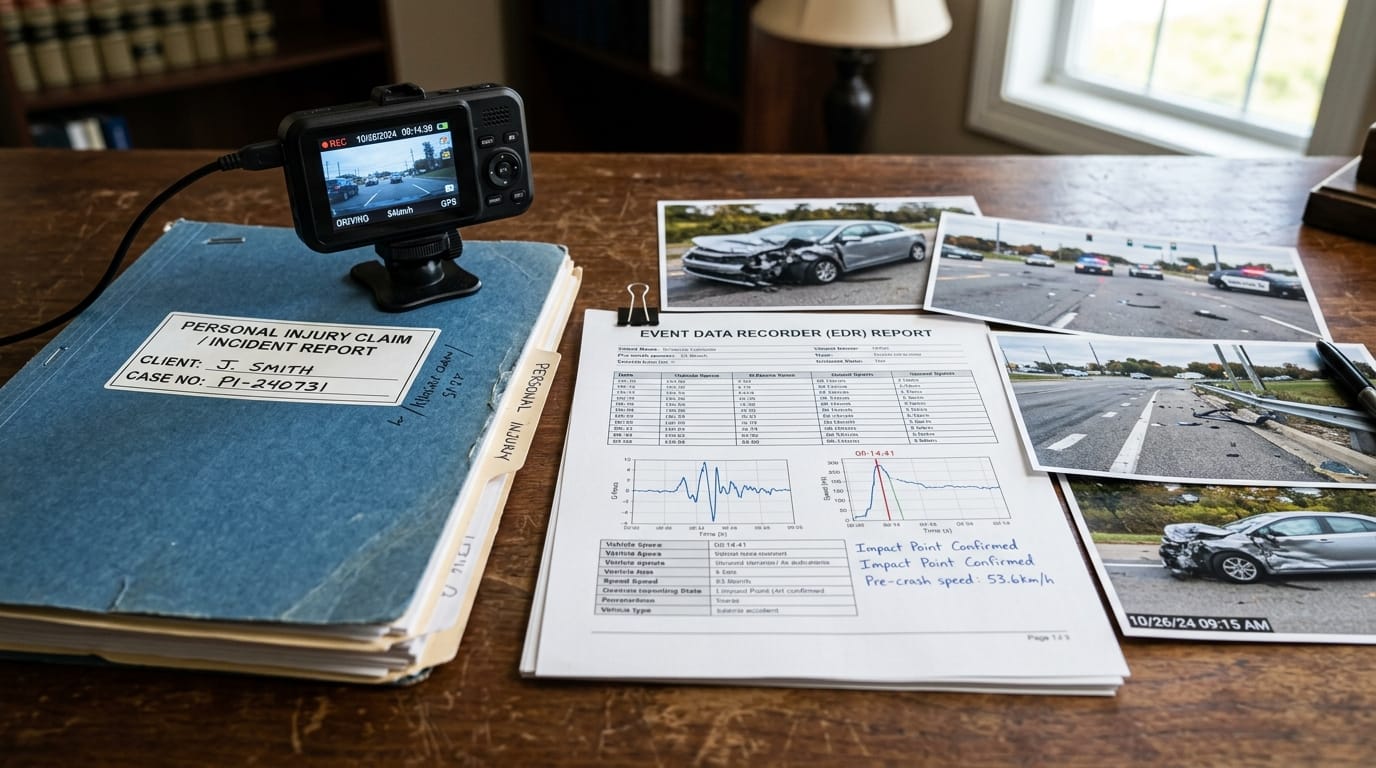
This is why scene photos, dashcam clips, police reports, witness names, and vehicle damage patterns matter. The claim needs a clear timeline, not just a quick blame decision.
Rear-End Fault Is Not Always Automatic
Many people believe the rear driver is always responsible. That rule of thumb can be useful, but it is not absolute. A rear driver may carry major fault if they followed too closely, drove too fast, or failed to brake. Still, other facts can change the analysis.
A vehicle may make an unsafe lane change and force sudden braking. A driver may stop in a live lane without hazard lights. A truck may spill cargo. A work zone may create poor warning or confusing lane shifts. A distracted driver ahead may cause a sudden hazard.
California injury claims can involve comparative fault. That means more than one person can share responsibility. The injured person should not accept a fast blame decision before the evidence gets reviewed.
Speed Can Increase Both Fault And Damages
Speed affects more than a traffic ticket. It changes how much time a driver has to react. It also changes the force of impact. Even a small speed increase can make a crash more severe.
In a freeway slowdown, a speeding driver may not have enough room to stop. A large vehicle may need even more distance. If traffic ahead slows because of congestion, construction, or a prior crash, drivers still need to adjust their speed for conditions.
Speed evidence may come from skid marks, dashcam footage, event data recorder information, telematics, witness statements, vehicle damage, and crash reconstruction. In serious cases, this evidence can become the center of the claim.
Digital Evidence Can Help Rebuild The Crash Sequence
Modern freeway crashes often leave digital trails. A dashcam may record the traffic slowdown. A newer vehicle may store speed and braking data. A rideshare or delivery app may show trip status. A phone may show whether a driver was distracted.
This evidence can matter because drivers often disagree after a crash. One person may say traffic stopped without warning. Another person may say the driver behind never slowed down. A third person may claim they only hit another vehicle because someone pushed them forward.
Digital evidence can test those stories. It can show movement before impact, braking behavior, lane position, and timing. If you want a deeper explanation, read Riverside Dashcam and Black Box Evidence in 2026.
Video And Vehicle Data Should Be Preserved Early
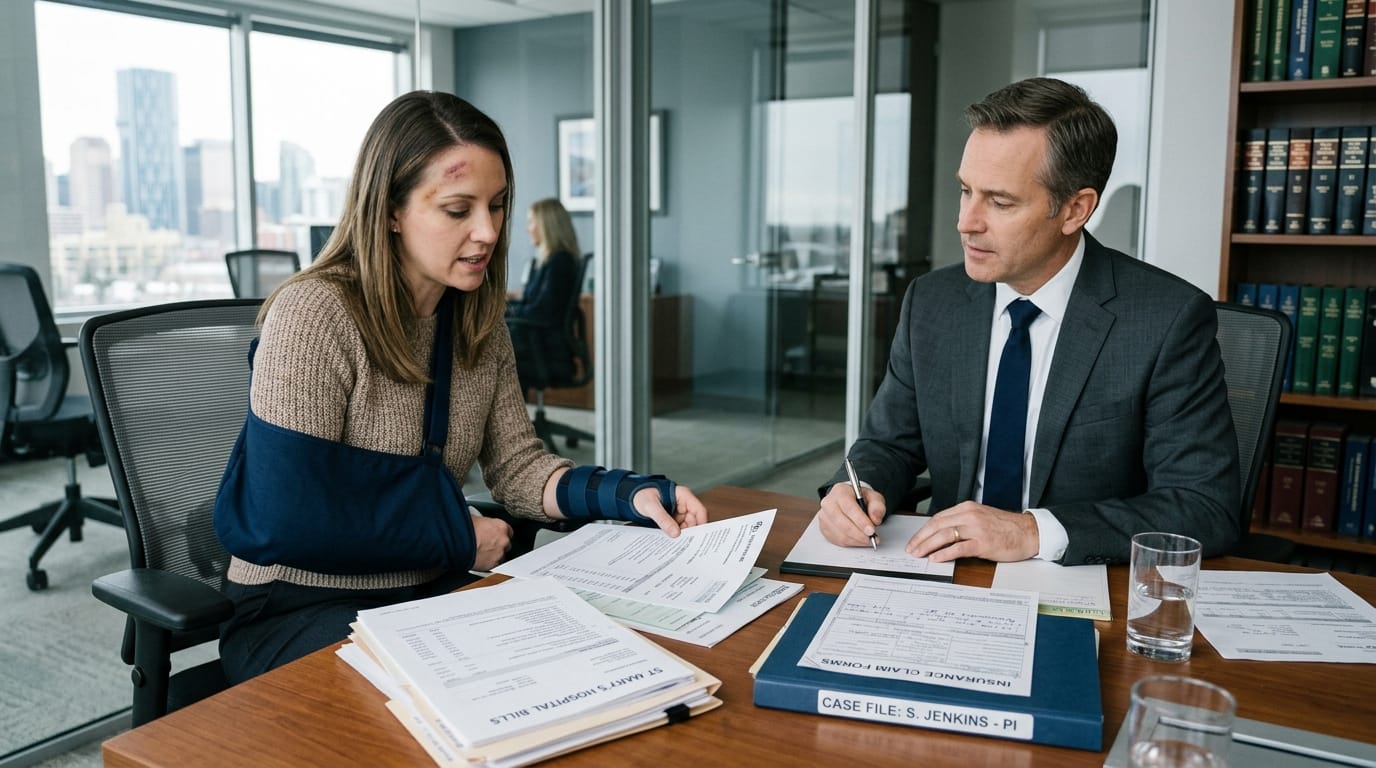
Useful evidence can disappear quickly. Dashcam files may overwrite. Traffic camera footage may not stay available for long. Businesses may delete security footage. Vehicles may get repaired, sold, or salvaged before anyone checks their data.
An injured person should act quickly. Save personal dashcam clips. Photograph the vehicles. Write down where cameras may exist. Identify witnesses. Keep repair records, tow documents, and insurance letters.
If another vehicle holds the best data, the injured person may need help sending a preservation request. Waiting too long gives the defense more room to say the evidence no longer exists.
What Injured People Should Do After A Riverside Freeway Crash
The first step is medical care. A freeway crash can cause head injuries, neck pain, back injuries, shoulder injuries, fractures, nerve symptoms, chest pain, and emotional distress. Some symptoms appear right away. Others get worse over the next few days.
Medical records do two important things. They help the injured person get treatment. They also connect the injury to the crash. Insurance companies often look for gaps in treatment. A delay can give them an excuse to argue the injury came from something else.
After medical care, the injured person should protect the claim. Report the crash. Get the report number. Save photos and videos. Keep medical bills. Track missed work. Avoid casual statements that guess about fault. Do not post about the crash on social media.
For a step-by-step companion guide, read What to Do After a Car Accident in Riverside.
Medical Bills And Insurance Coverage Can Become A Second Fight
Proving fault is only part of the case. The injured person also needs a way to pay medical bills, lost income, repairs, and other losses. That can become difficult in a multi-vehicle crash.
Several insurers may get involved. Each one may try to limit its responsibility. One insurer may say another driver caused the crash. Another may argue the injuries are not serious. A third may claim its driver only caused a minor impact.
Medical bills can arrive before the claim settles. Health insurance, medical payments coverage, liens, and settlement funds may all affect payment. For more detail, read Who Pays Medical Bills After a Riverside Car Accident in 2026?.
Low Policy Limits Can Create Real Problems
A serious chain-reaction crash may cause more damage than one driver’s insurance can cover. This problem grows when several people suffer injuries in the same collision. One policy may need to respond to multiple claims.
That is why underinsured motorist coverage can matter. It may help when the at-fault driver does not have enough coverage. However, these claims still require proof. The injured person must show fault, damages, and available coverage.
For more on this issue, read Underinsured Driver Accidents in Riverside.
Work zones can also make freeway crashes harder. Lane shifts, warning signs, cones, narrowed shoulders, and sudden slowdowns may affect fault. If the crash happened near construction or maintenance activity, review Riverside Work Zone Accident Claims in 2026.
A Riverside freeway accident claim 2026 case should not rely on guesses. Chain-reaction crashes need careful review because the first visible impact may not explain the full injury. Speed, distraction, following distance, lane changes, work zones, and digital evidence can all change the outcome.
The bottom line is simple. Get medical care. Preserve evidence. Save photos and videos. Identify witnesses. Protect dashcam and vehicle data. Keep every bill and insurance letter. Then review the claim before accepting a quick settlement or blame decision.
Freeway crashes move fast. The legal claim should move carefully. That is how injured drivers and passengers protect their rights after a serious Riverside multi-vehicle accident.