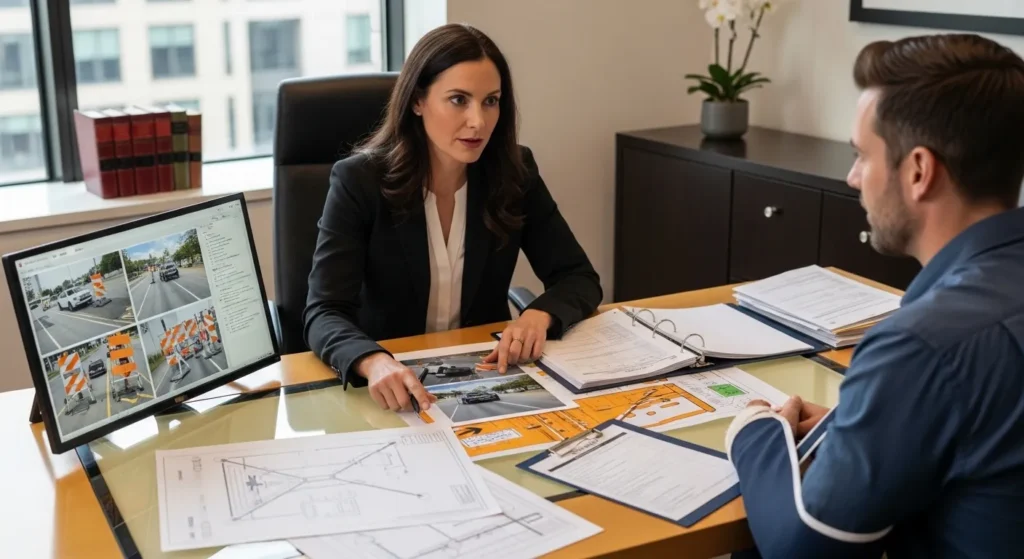
Car accident claims do not rely only on witness statements anymore. In 2026, many crashes leave behind a digital record. That record may include dashcam footage, event data recorder information, phone-linked vehicle data, telematics logs, and app-based driving records. When that evidence is preserved early, it can make fault much easier to prove. When it gets ignored or lost, the injured person may end up fighting a much harder insurance battle.
That is exactly why Riverside dashcam and black box evidence 2026 is a strong topic for your site right now. It fits naturally with your existing posts on self-driving or rideshare crashes in Riverside, truck accidents in Riverside, underinsured driver accidents in Riverside, and what to do after a car accident in Riverside. It also fills a real content gap because your current blog does not yet have a dedicated article on digital crash evidence.
Many injured people still think of a “black box” as something only experts care about. That is outdated. A newer vehicle may record speed, braking, steering input, seatbelt use, and timing just before impact. A dashcam may show the traffic light, lane position, sudden lane drift, or whether the other driver hit the brakes too late. In some cases, connected-car systems and telematics logs may add even more context. None of that guarantees an easy case, but it can completely change how an insurer values fault.
Why Riverside Dashcam and Black Box Evidence 2026 Matters More Now
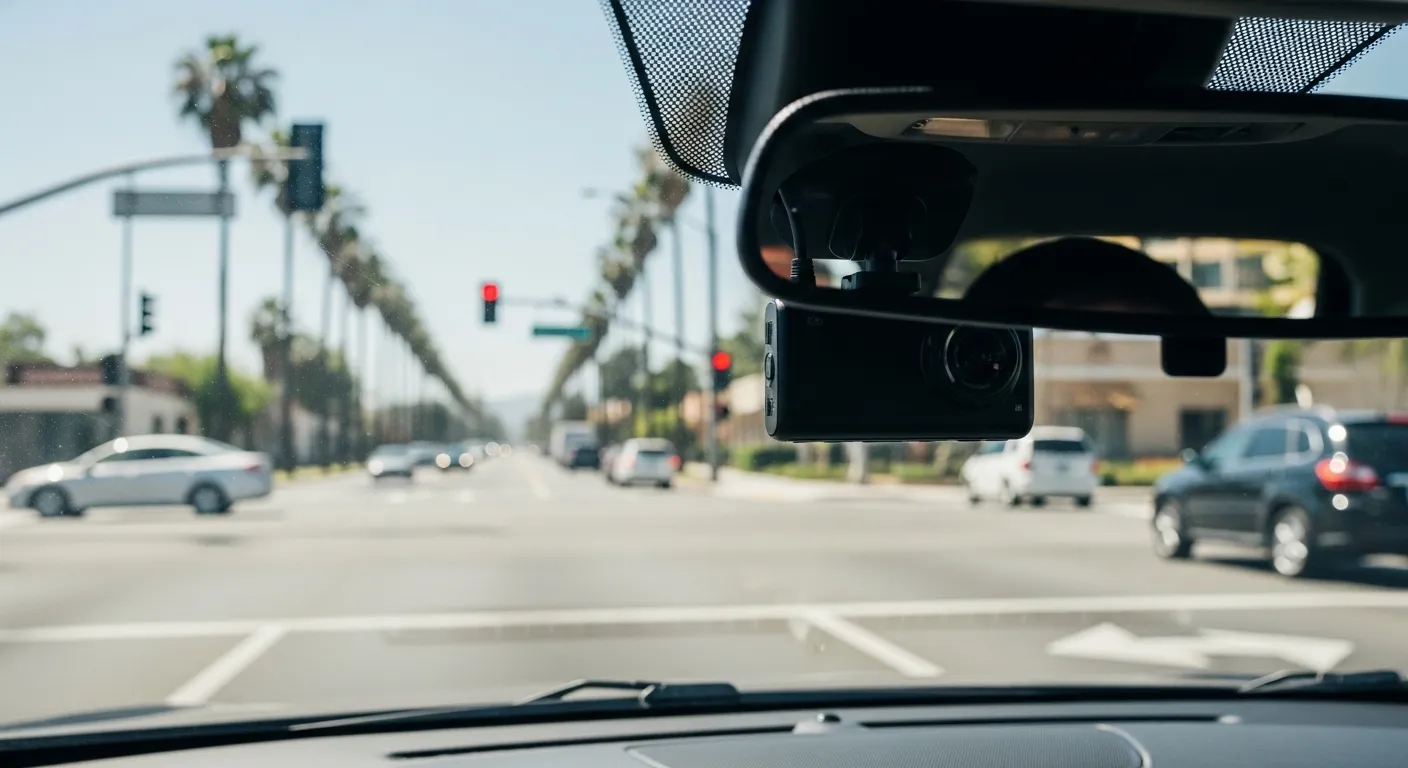
The biggest reason this topic matters is simple. Drivers change their stories after crashes. Some do it out of panic. Some do it because they think blame is negotiable. A driver who ran a red light may later insist the signal was green. A driver who never touched the brakes may claim they tried everything to avoid impact. A rideshare driver may deny being on an active trip. A commercial driver may say traffic stopped too suddenly to react. Digital evidence can test those claims against something more objective.
That does not mean one file solves every case. The strongest injury claims still combine scene photos, witness statements, medical records, and police observations. But once you add dashcam footage or EDR data, the defense often has less room to distort what happened.
Dashcam footage can shut down weak fault arguments fast
Dashcam video often helps because it captures the crash sequence before insurers shape the story. It may show the light color, the traffic flow, the lane position, weather conditions, and the exact movement that caused the collision. In a disputed crash, a short and clear video clip can do more than several phone calls with an adjuster.
Video helps most when it shows the seconds before impact clearly
Many crashes turn on a few seconds of movement. Did the other driver drift over the line? Did a truck cut into a narrowing lane? Did the person who caused the crash brake at all? Did the driver accelerate through a yellow light? These are the kinds of questions dashcam footage can answer quickly when the recording is clean and saved right away.
This is especially useful in cases involving lane changes, intersections, freeway merges, and sudden slowdowns. It also pairs well with your article on wrong-way crashes in Riverside, because those claims often depend on proving vehicle movement with precision.
California recording rules still matter when audio gets captured
Drivers should not assume every camera issue is purely technical. In California, recording can raise legal questions too. Placement rules can matter. Audio can matter. Passenger notice can matter. That does not mean a dashcam becomes useless if those issues appear, but it does mean the evidence may create privacy or admissibility fights that need to be handled carefully.
That point matters even more in rideshare, delivery, and commercial-vehicle cases. A recording may support the claim, but if the setup failed to comply with California’s rules, the other side may try to attack the evidence instead of dealing with what it shows.
Black box and telematics data can challenge a driver’s version of events
Dashcams show what happened outside the vehicle. Event data recorders often show what the vehicle was doing from the inside. Depending on the vehicle and the event, that data may help reveal speed, brake application, throttle use, steering input, seatbelt status, and timing before impact. That can become powerful evidence when a driver insists they acted carefully or had no time to avoid the crash.
Vehicle data may matter most when memory and statements conflict
People forget details fast after a serious crash. Stress affects memory. So does injury. A driver may honestly believe they braked sooner than they actually did. Another driver may exaggerate how slowly they were traveling. That is where EDR and telematics data can become valuable. They do not replace every other form of evidence, but they can help test whether a statement matches the vehicle’s own recorded behavior.
This is also why digital proof fits naturally with your existing post on self-driving or rideshare liability in Riverside. Once technology enters the crash story, raw system data often matters more than anyone’s memory.
What Injured People Should Preserve Before Digital Evidence Disappears
The biggest mistake many accident victims make is assuming the insurance company will gather the right evidence for them. It will not. The insurer will gather what helps it evaluate exposure. That is not the same thing as protecting every piece of proof that may help the injured person. If dashcam footage, EDR data, phone-linked vehicle records, or commercial fleet logs may matter, those materials should be identified early and treated as important evidence from day one.
This matters even more in cases involving newer vehicles, company fleets, rideshare drivers, or trucks. Once a vehicle is repaired, sold, salvaged, reset, or overwritten, some digital evidence may become much harder to retrieve.
Access fights are real, especially when the other vehicle holds the best data
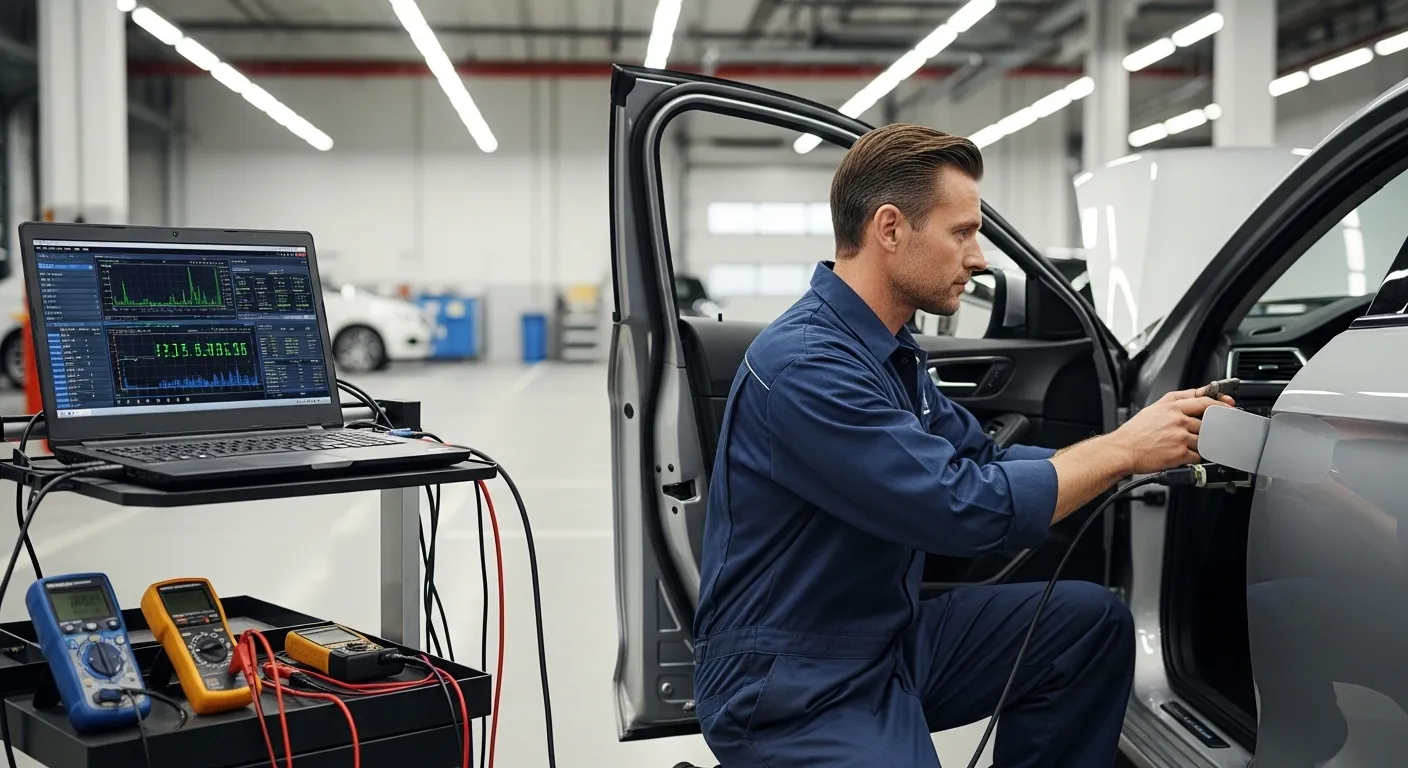
Many people assume they can simply request the other driver’s black box data and get it right away. It does not work that way. Access may depend on ownership, consent, discovery, or court intervention. That is one reason lawyers often move quickly to preserve the vehicle and stop repairs or disposal before useful data disappears.
Preservation matters more than argument in the first few days
In the early stage, the goal is not to win every evidence fight immediately. The first goal is to keep the evidence from disappearing. That means saving your own dashcam files, backing them up, writing down what devices may exist, identifying commercial or fleet vehicles, and looking for outside sources such as traffic cameras, business surveillance, or neighboring dashcams. Once the evidence is preserved, the legal arguments over access and use become much easier to handle.
This is why the topic also fits closely with Should I Talk to the Insurance Company After an Accident?. A person who speaks casually to the insurer before protecting the digital evidence may give up leverage too early.
Medical proof still matters just as much. A strong crash video means less if the injury documentation is weak. That is why injured people should also review The Importance of Medical Documentation in Personal Injury Cases and Who Pays Medical Bills After a Riverside Car Accident in 2026?. Fault proof and damages proof need to work together.
In the end, Riverside dashcam and black box evidence 2026 is not just a technology topic. It is a proof topic. The more digital systems vehicles use, the more important it becomes to know what those systems may have recorded and how to protect that information before someone else shapes the story first. A strong claim still depends on medical records, scene photos, and witness statements. But in many 2026 cases, digital crash evidence is what turns a disputed accident into a provable one.
For an outside source, the National Highway Traffic Safety Administration’s Event Data Recorder overview is a useful starting point. It helps explain why vehicle-generated crash data matters so much and why injured drivers should treat it as serious evidence, not a side issue.