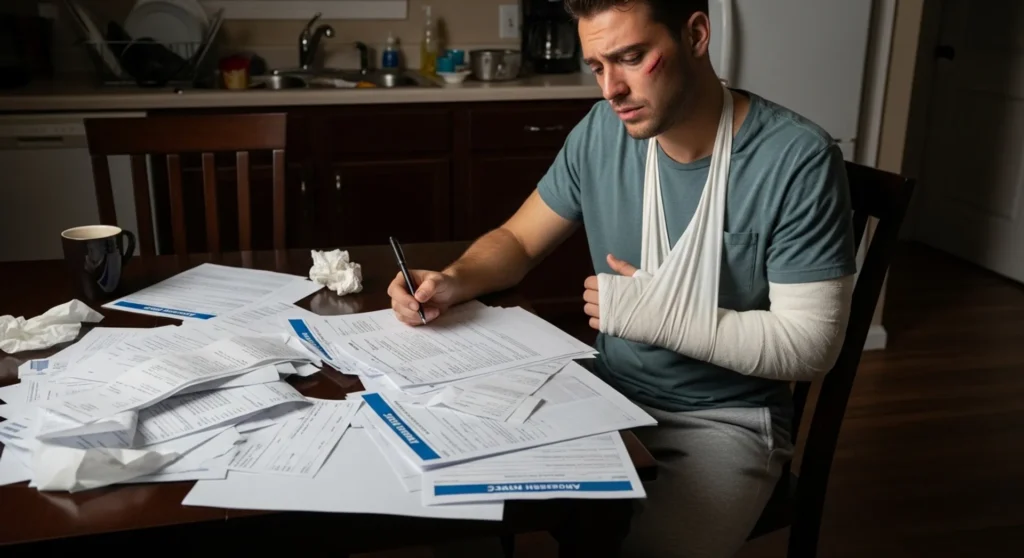
One of the first questions people ask after a crash is not about court. It is not even about settlement value. It is much more immediate: who is going to pay the medical bills right now? That question matters because treatment usually starts long before a case ends. An ambulance ride, emergency room visit, imaging, prescriptions, follow-up appointments, and physical therapy can show up fast. For many injured people in Riverside, the stress of medical bills hits before they even understand how fault and insurance will be sorted out.
That is why this issue matters so much. A personal injury claim may eventually recover medical costs, but that does not always mean the at-fault insurer writes checks as treatment happens. In real life, injured people often need to rely on a mix of coverages and payment sources while the liability side of the case is still developing.
If you are trying to understand the bigger picture right after a crash, start with What to Do After a Car Accident in Riverside. That guide helps with the first steps. This article focuses on the next problem many people face: how medical treatment gets paid before the case is over.
Why Medical Bills Create So Much Confusion After a Crash

People often assume that if another driver caused the collision, that driver’s insurance should simply pay every medical bill from day one. That is not usually how the process works. Liability claims take time to investigate. Insurance companies may dispute fault, argue over injuries, or wait for treatment records before evaluating the full case. In the meantime, the injured person still needs care.
That gap between treatment and final compensation is where confusion starts. You may have your own health insurance. You may have optional auto coverage such as Med Pay. You may have uninsured or underinsured motorist coverage. In some cases, medical providers may also agree to delay payment while expecting reimbursement later from a settlement. Not every case uses the same path, and not every injured person has the same coverage available.
California is not a no-fault state
California does not use a no-fault auto insurance system where each driver automatically looks first to personal injury protection benefits. That matters because many people hear advice online that does not actually match California rules. Instead, Riverside injury claims often involve a combination of health insurance, optional auto coverages, and later reimbursement through a liability claim or settlement.
That is one reason people should be careful about assuming the process is automatic. Fault still matters. Coverage still matters. Policy language still matters. The fact that another driver caused the crash does not mean your bills are instantly handled in a neat and predictable way.
Higher liability minimums do not solve the immediate bill problem
California’s liability limits are higher now than they used to be, but that does not automatically fix the timing problem for injured people. Even when the at-fault driver has valid coverage, the insurer may not pay your treatment as you go. Serious injury cases can still involve delays, disputes, and policy-limit issues before the compensation picture becomes clear.
For that reason, this topic works naturally with your post on Underinsured Driver Accidents in Riverside: Why California’s New Minimum Limits Still May Not Be Enough in 2026. Even with newer minimums, treatment costs can still outpace available coverage in more serious cases.
The Common Ways Medical Bills Get Paid After a Riverside Accident
Most cases are not paid through just one source from start to finish. Instead, payment often happens in layers. One source may handle immediate treatment. Another may seek reimbursement later. A final settlement may repay some of the earlier outlays. Understanding those layers helps injured people avoid bad assumptions and missed coverage.
Medical Payments Coverage can help early
If your auto policy includes Medical Payments Coverage, often called Med Pay, it may help with immediate medical expenses for you or passengers in your vehicle after a crash. This kind of coverage can be useful because it may apply without waiting for the fault dispute to be fully resolved. That can make a real difference when the bills start arriving before the injury claim has matured.
Med Pay is not unlimited, and it does not replace the full value of a personal injury case. But it can serve as an early source of relief for out-of-pocket treatment costs, co-pays, or other initial medical charges. Many people do not even realize they have it until they review the declarations page after a crash.
Health insurance often pays first, then seeks repayment later
In many Riverside accident cases, health insurance becomes the most practical first payer for treatment. That can include emergency care, specialist visits, imaging, surgery, prescriptions, and rehabilitation, depending on the plan. But when health insurance pays for treatment connected to a crash, that is not always the end of the story. The carrier may later try to recover what it paid from a settlement or liability recovery.
This is where reimbursement, liens, or subrogation issues can enter the picture. The details depend on the type of plan and the facts of the case, but the larger point is simple: getting the bill paid now and sorting out who ultimately bears the cost are not always the same step.
This also connects directly to The Importance of Medical Documentation in Personal Injury Cases. Good records do more than support injury value. They also help establish what treatment was needed, when it happened, and how it connects to the crash.
The at-fault driver’s insurance may repay costs later
If another driver caused the collision, their bodily injury liability coverage may ultimately be the source of compensation for medical expenses as part of a settlement or judgment. But this usually happens later in the process, not in real time. The insurer may want to review records, evaluate fault, assess the severity of the injury, and wait until treatment is more complete before making a meaningful offer.
That delay is one reason injured people get frustrated. They hear that the other driver is at fault, but meanwhile the bills keep moving. That is normal in the claims process, even if it feels backward when you are the one dealing with pain and paperwork.
UM/UIM coverage may matter when the other driver cannot fully cover the loss
If the at-fault driver has no insurance or not enough insurance, your own uninsured or underinsured motorist coverage may become important. This usually matters more in bigger-injury cases where medical expenses, wage loss, and pain and suffering quickly exceed what the other driver can pay.
That is another reason this article fits your current content cluster. Readers who discover a gap between their losses and the other driver’s policy may need the deeper explanation in your underinsured driver article as a next step.
What Injured People Should Do to Protect the Medical Side of the Case
The smartest move is not to guess which coverage should pay. It is to gather the right information early and keep the treatment record organized. Small mistakes in the first few weeks can create bigger headaches later.
Review the declarations page and report all possible coverage
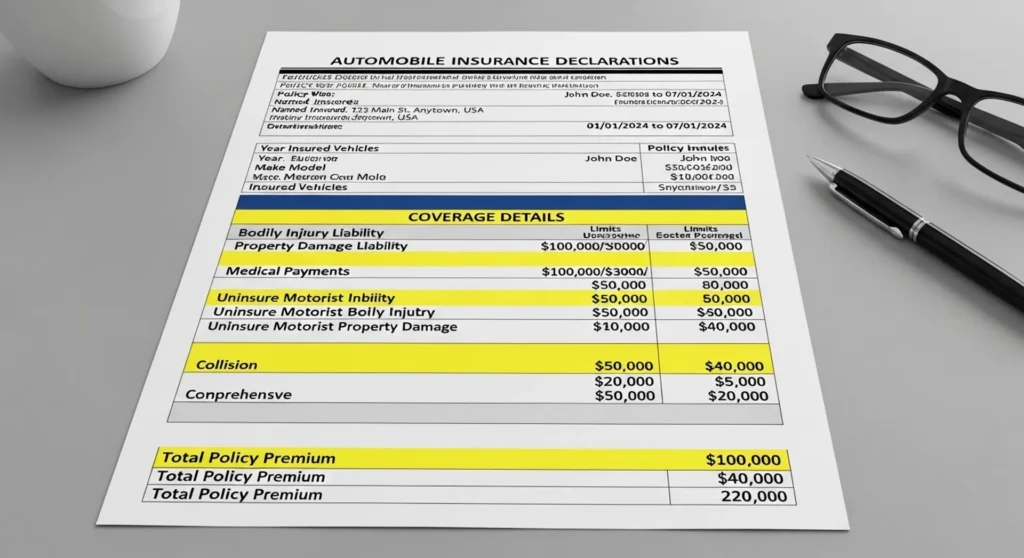
Pull your auto policy declarations page and look closely at what coverages you actually bought. Check whether Med Pay is listed. Confirm whether you have UM/UIM. If more than one household policy may apply, review those too. Do not rely on memory. Coverage decisions should be made from the paperwork, not from assumptions.
You should also be careful when speaking with adjusters. If you need a refresher on that part of the process, your readers can move naturally from this article to Should I Talk to the Insurance Company After an Accident?.
Get treatment promptly and keep every record
Prompt treatment matters for both health and claim quality. Gaps in care can make it harder to prove the injury was serious or clearly caused by the crash. Save every bill, after-visit summary, imaging order, prescription record, therapy schedule, mileage log, and insurance explanation of benefits you receive.
These records do double duty. They help show what you needed medically, and they also help measure damages later. If readers want the financial side explained in more depth, this article should also internally link to How Much Is My Car Accident Claim Worth in California?.
Do not settle the medical story too early
One of the biggest mistakes after a crash is assuming the first round of treatment tells the full story. Some injuries look minor at first and turn into longer problems involving physical therapy, injections, specialist care, or time away from work. Settling before the medical picture is reasonably clear can leave injured people short on compensation and still facing unpaid or reimbursable medical expenses.
The better approach is to understand where the bills are going now, what coverage may help in the short term, and how those payments may interact with a later settlement. That lets you make decisions with a complete view instead of reacting to the first wave of invoices.
Final Thoughts
Who pays medical bills after a Riverside car accident is not always a one-line answer. In many cases, the real answer is a combination of Med Pay, health insurance, possible provider arrangements, and later reimbursement through the at-fault driver’s insurance or your own UM/UIM coverage. The important part is understanding that treatment and final compensation do not always happen on the same timeline.
That is why coverage review matters so much right after a crash. The more clearly you understand your policy, your treatment records, and the possible reimbursement issues, the better position you are in to protect both your health and your claim. The bills may start immediately, but the legal and insurance strategy should start just as fast.
For general California consumer guidance on auto insurance coverages, see the California Department of Insurance auto insurance guide. For current minimum liability requirements, see the California DMV insurance requirements page.