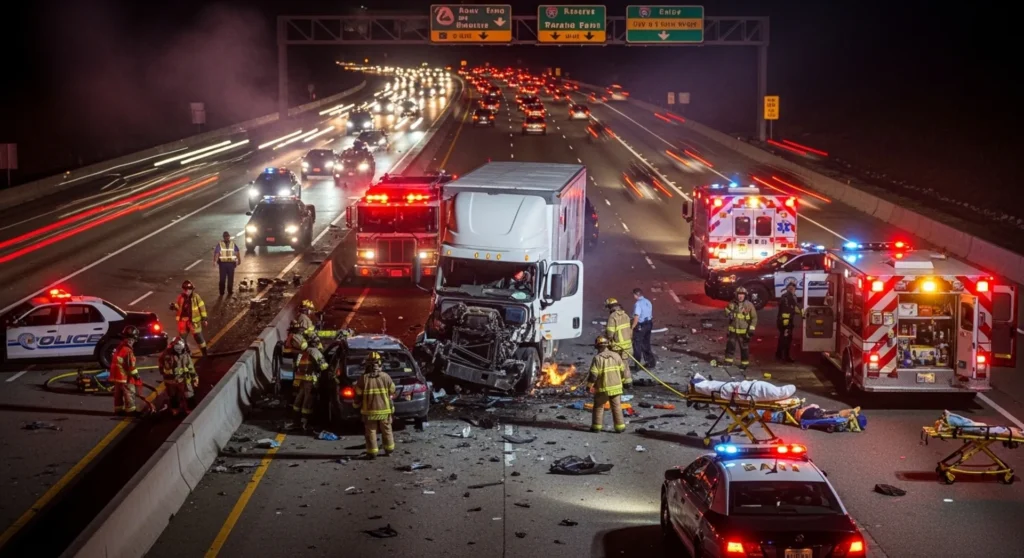
Few crashes are as violent as a wrong-way collision. When one vehicle enters traffic in the wrong direction, the closing speeds can become catastrophic in seconds. That is why a wrong way crash Riverside case often involves devastating injuries, major insurance exposure, and hard-fought liability disputes.
Riverside drivers have already seen how deadly these crashes can be. In January 2026, a wrong-way collision on the 215 Freeway in Riverside shut down lanes after a head-on impact, and news coverage reported that alcohol or drugs appeared to be a factor. In February 2026, another suspected wrong-way driver died after a head-on crash on Interstate 10 in Riverside County. These were not low-impact accidents. They were the kind of events that leave families dealing with severe trauma, hospitalization, lost income, and wrongful death issues.
Most people assume these cases are simple because the wrong-way driver seems obviously at fault. Sometimes they are straightforward. Sometimes they are not. Insurance carriers may still argue over impairment proof, road design, visibility, comparative fault, or whether another driver had time to avoid the collision. In serious cases, the legal fight often expands beyond “who hit whom” and turns into a broader question about evidence, damages, and all potentially responsible parties.
Why Wrong-Way Crash Claims Are Often More Serious Than Normal Car Accident Cas es
es
 es
es
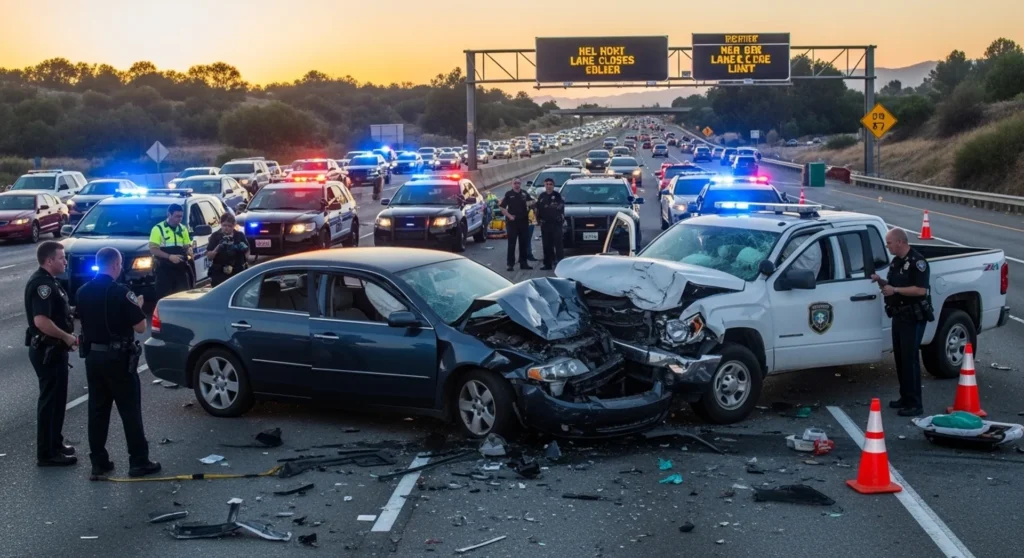
Wrong-way crashes are not just another version of an ordinary traffic collision. They often involve head-on or near head-on impact forces, which create a much higher risk of life-changing injury. They also raise immediate questions about recklessness, intoxication, highway-entry mistakes, fatigue, and roadway confusion.
Head-On Impact Changes the Injury Picture
In many crashes, both vehicles are moving in roughly the same direction. In a wrong-way crash, the force is different. The relative speed can make injuries far more severe, especially on highways and major arterials. Victims often suffer traumatic brain injuries, spinal trauma, internal injuries, multiple fractures, crush injuries, and long recovery periods.
That severity changes the legal value of the claim. High medical costs, future treatment needs, lost earning capacity, and pain and suffering often become central parts of the case. A wrong-way crash can move quickly from a standard injury claim to a high-damages case involving extensive documentation and expert support.
Impairment Is Common, But It Is Not the Only Cause
Wrong-way crashes often bring DUI concerns into the spotlight. In the January 2026 Riverside 215 crash, reporting said alcohol or drugs appeared to be a factor. That matters because impaired driving can support stronger liability arguments and, in some cases, punitive damages analysis. But intoxication is not the only explanation. Driver confusion, fatigue, medical emergencies, poor signage, or unsafe freeway access conditions may also play a role.
That distinction matters because a lawyer or insurer cannot just stop at the first easy explanation. A case may begin with suspected impairment, but the full investigation still needs to ask how the driver entered the roadway, whether signs and barriers were adequate, and whether another party contributed to the risk.
Insurance Disputes Can Escalate Fast
Because these collisions tend to cause severe injuries, insurers often fight harder. They may challenge the extent of the injuries, argue that preexisting conditions explain some of the losses, or look for comparative-fault arguments to reduce exposure. In a fatal case, they may also dispute the scope of wrongful death damages and future financial loss.
This topic links naturally with your existing post on underinsured driver accidents in Riverside, because severe wrong-way crashes can quickly blow past minimum policy limits. It also connects with truck accidents in Riverside, since high-severity crash analysis often overlaps across catastrophic injury cases.
More Than One Party May Be Relevant
Most wrong-way crash claims focus on the wrong-way driver first. That makes sense. Still, some cases involve more than one legally important actor. A bar or restaurant is not automatically part of the case, but dram-shop style questions may arise in limited contexts. A public entity is not automatically liable either, but dangerous roadway design, confusing signage, or failed warnings may deserve scrutiny depending on the facts.
Commercial vehicle involvement can complicate things even more. If the wrong-way vehicle was tied to business use, employer liability and larger insurance coverage may become relevant. If the at-fault driver was in a rideshare or delivery context, the insurance picture can shift again. Riverside Accident Lawyer already covers layered liability in self-driving and rideshare crashes, which makes that post another useful internal link here.
What Evidence Matters Most After a Wrong-Way Crash in Riverside
Severe crashes create chaos fast. That is exactly why evidence preservation matters. The more serious the crash, the more likely it is that the defense will test every part of the claim. Victims need more than a basic police report when damages are substantial.
Scene Evidence, Vehicle Data, and Witnesses Matter Early
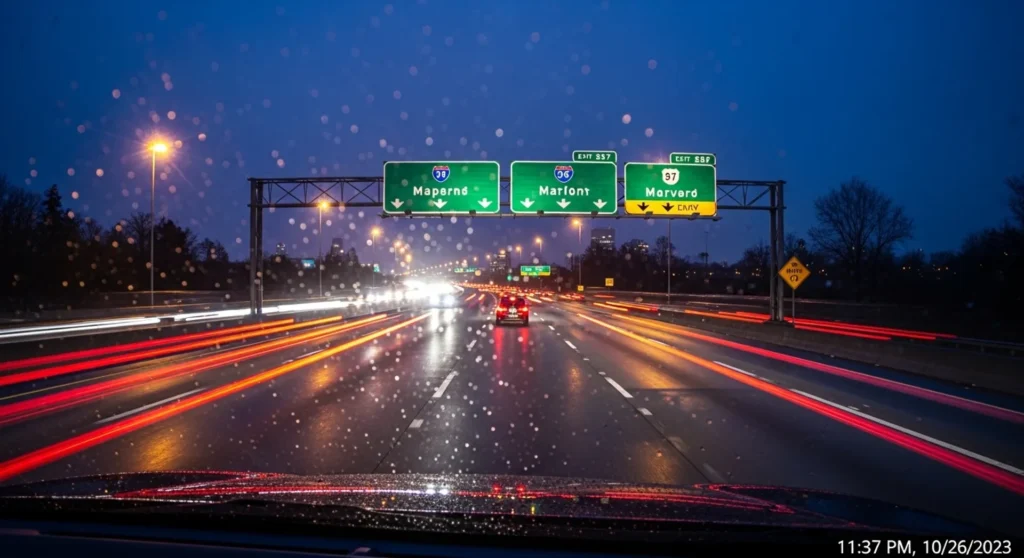
Photographs of the road layout, lane markings, entry ramps, traffic controls, debris field, and vehicle positions can be critical. Dashcam footage can be even better. In the January 2026 Riverside 215 case, media specifically highlighted dashcam video. That kind of footage can show direction of travel, timing, and whether other drivers had any realistic chance to avoid impact.
Vehicle event data may also help. Modern vehicles can preserve information about speed, braking, steering input, and airbag deployment. Witnesses matter too, especially if they saw the driver traveling the wrong way before the collision or noticed signs of impairment. The sooner that evidence is gathered, the better.
Medical Records Tell the Damages Story
A severe wrong-way crash claim is not won only by proving fault. It is also won by showing the full human cost of the collision. Emergency treatment records, imaging, surgery records, follow-up care, work restrictions, rehabilitation notes, and future treatment opinions all shape the value of the case.
This is one reason serious-crash cases require discipline from the start. Gaps in treatment, incomplete documentation, and casual statements to insurers can all weaken a strong case. Your older article on talking to the insurance company after an accident fits especially well here, because insurers move fast in high-exposure collisions.
Do Not Assume the Case Will Stay Simple
Even when fault looks obvious, serious cases tend to become more technical as damages rise. The wrong-way driver may face criminal issues, but the civil case still requires its own proof. A criminal charge does not automatically prove every element of an injury claim. The civil case still needs evidence on liability, causation, and damages.
Why This Is a Strong Topic for Riverside Accident Lawyer
This blog fits the site cleanly because it expands the existing 2026 content cluster around modern accident liability, severe crashes, and local Riverside injury risks. The site already covers underinsured drivers, juvenile e-bike claims, heat-related crashes, truck accidents, and self-driving/rideshare liability, but wrong-way collisions are still missing from that lineup.
The bottom line is simple. A wrong-way crash in Riverside is rarely a minor case. These collisions often produce catastrophic injuries, complex evidence fights, and insurance disputes that go far beyond a routine accident claim. Anyone hurt in one should treat it like a serious litigation issue from day one, not just a traffic incident.
For external authority links, you can point readers to CHP and NHTSA resources on impaired driving and highway safety, along with current local reporting on Riverside County wrong-way crashes.